About Digital PID Controller
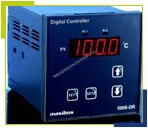
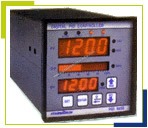
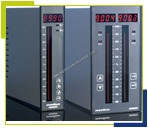
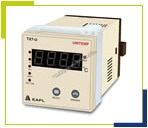
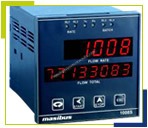
We are counted amongst as the foremost sources, affianced in offering an extensive range of Digital PID Controller. This controller is designed and manufactured in adherence with the set standards using high quality components and modern methodology. Provided controller is extensively used in various industrial control systems to detect the loop between the measured data and the desired data. Moreover, offered Digital PID Controller can be availed by our valuable patrons in varied specifications as per their requirements at the most affordable prices.
Features:
- Robustly constructed
- Easy to operate
- Longer service life
- Fine finish
Other Specifications:
- Micro-controller based cost-effective indicator / controller.
- High performance.
- Digital calibration.
- Single / Dual relay output.
- Dust protected tactile keys.
- On-site configurable and universal.
Specification
- Type: Digital
- Size: 48*48 mm
- Power: 100 to 240 VAC
- "">Voltage: 220 V
- Model Number: 5006
Versatile Input CompatibilityThis PID controller is engineered to handle various sensor types, including Thermocouple (J/K/T), RTD (Pt100), as well as analog signals like 4-20 mA and 0-10 V DC. Its adaptability empowers users to integrate it into diverse commercial and industrial environments, simplifying inventory and installation processes.
Intuitive Dual LED DisplayThe dual 4-digit LED display provides clear and instantaneous readings of process and setpoint values. This intuitive interface simplifies monitoring and parameter adjustments, ensuring operators can quickly react to process demands or changes, resulting in streamlined workflows.
Flexible Output and Control ModesSupporting Relay, SSR, and analog current outputs (4-20 mA), this device accommodates a wide range of control requirements. Modes like PID, On-Off, and Auto Tuning further optimize process stability and response, catering to both simple and complex temperature regulation tasks.
FAQ's of Digital PID Controller:
Q: How do I connect different sensor types to the digital PID controller?
A: The controller features universal input terminals that support Thermocouple (J/K/T), RTD (Pt100), as well as analog signals like 4-20 mA and 0-10 V DC. You can connect the relevant sensor using the screw type terminals. Consult the wiring diagram in the manual to ensure proper connection and configuration according to the sensor in use.
Q: What advantages does the dual 4-digit LED display provide?
A: The dual LED display enhances visibility by showing both the process value and setpoint simultaneously. This allows for immediate monitoring and simplifies troubleshooting or adjustments, reducing downtime and improving operational efficiency.
Q: When should I use PID versus On-Off control modes?
A: PID control is optimal for processes requiring fine temperature regulation and minimal fluctuation, as it continuously adjusts the output. On-Off mode is suited for simpler applications where basic switching suffices. The controller allows both modes, and Auto Tuning helps select ideal PID settings.
Q: Where is the digital PID controller typically installed?
A: It is designed for panel mounting, commonly used in process panels or control cabinets within commercial and industrial environments. The compact 48 x 48 mm size facilitates integration into existing systems.
Q: What is the process for configuring alarm outputs?
A: The controller includes configurable relay outputs for alarms. You can set alarm parameters through the front panel interface based on threshold values for temperature or process variables. Once configured, the relay activates when conditions are met, enabling external alert systems or safety shutdowns.
Q: How does the ABS plastic flame-retardant housing benefit users?
A: The ABS plastic housing is both flame-retardant and robust, providing enhanced electrical safety and durability. This reduces the risk of damage in case of electrical faults, ensuring safer operation in commercial settings.
Q: What are the main benefits of using this PID controller in process control?
A: Key benefits include high measurement accuracy (0.5% of full scale), fast response with a 250 ms sampling time, compatibility with a wide range of sensors, configurable outputs, and user-friendly operation. These features collectively result in precise process control, energy savings, and reduced maintenance.

 Send Inquiry



 Send Inquiry


 Send Inquiry


