About Process Control Instruments
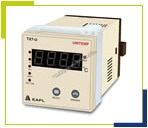
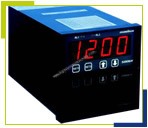
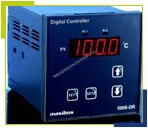
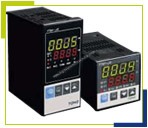
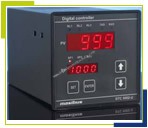
We are a much-admired name in the industry engaged in providing an outstanding range of Process Control Instruments. Offered instruments are manufactured at our well-equipped manufacturing unit using the supreme quality raw materials under the direction of our professionals. These instruments are widely used in various controlling applications for measuring and monitoring a process. Moreover, to accomplish the diverse requirements of our customers, these instruments are made available in various specifications. We guarantee a timely delivery of these Process Control Instruments at affordable prices.
Features:
- Easy to install
- Less maintenance
- Simple to use
- Resistant to corrosion
Other Specifications:
- Universal Input (J, K, PT - 100) Selectable.
- Wide Voltage Range.
- ON/OFF or Self/Tuned Function Selectable.
- Indication for relay status and sensor failure
- Automatic cold junction compensation.
- Elegant enclosure with protective cover.
- Single/Double set point.
Versatile Universal Input CompatibilityOur instruments are designed to seamlessly accept a wide range of inputs, including thermocouples, RTDs, current, voltage, and millivolt signals. This flexibility allows them to integrate smoothly into various industrial and commercial monitoring and control systems, streamlining your operations and reducing the need for multiple devices.
Robust and Reliable ConstructionBuilt from high-quality ABS plastic and stainless steel, these process controllers ensure durability in demanding environments. Their panel-mounting capability and screw terminal connections provide secure installation and easy maintenance, while their resilience up to 150 psi further enhances operational reliability.
Clear Digital LED Display and Accurate PerformanceFeaturing a clear digital LED display and offering 0.5% accuracy of full scale, these instruments deliver precise and easily readable data. The relay alarm outputs provide immediate notifications, making the control process safer and more efficient across different industry sectors.
FAQ's of Process Control Instruments:
Q: How does the digital LED display benefit process monitoring and control?
A: The bright digital LED display ensures clear visualization of process parameters, allowing operators to easily monitor and interpret data, which facilitates quick decision-making and improves overall process efficiency.
Q: What types of inputs can these instruments accept, and why is this flexibility important?
A: These instruments accept universal inputs, such as thermocouples, RTDs, 4-20 mA, mV, and V signals. This input versatility enables use in a wide variety of industrial applications, accommodating different sensor types without the need for separate controllers.
Q: When should I use a relay alarm output in process control?
A: Relay alarm outputs should be used when you need automatic warnings or process interventions if measured parameters go beyond preset limits. This feature enhances safety and helps prevent equipment damage or process disruptions.
Q: Where are these instruments typically installed?
A: These controllers are designed for panel mounting, making them suitable for installation in control panels or operator stations in commercial and industrial settings where efficient space utilization matters.
Q: What processes can be monitored with these instruments?
A: The instruments are capable of monitoring and controlling various industrial processes, including temperature, pressure (up to 150 psi), and electrical parameters, in sectors such as manufacturing, chemical processing, and utilities.
Q: How does the enclosure material contribute to the instrument's longevity?
A: The ABS plastic enclosure, combined with stainless steel components, protects the instrument from physical and environmental damage, increasing durability and ensuring long-term, reliable operation even in harsh industrial environments.
Q: What are the key benefits of using this process controller for commercial applications?
A: Key benefits include high measurement accuracy (0.5% of full scale), broad compatibility with standard input signals, robust construction, multiple size options, and reliable alarm mechanisms, all of which contribute to efficient, safe, and adaptable process management.

 Send Inquiry



 Send Inquiry


 Send Inquiry


